24 Hour AC Repair: Efficient Climate Control Systems Are Vital For Indoor Comfort And Energy Cost Savings
Elements and Systems: The Heating And Cooling Symphony
Ever wonder what really orchestrates the climate control in your abode or workplace? It's much more than just a box humming outside. We're discussing an advanced interplay of elements, a genuine symphony of engineering designed to keep your convenience, come rain or shine, or perhaps the most blistering heatwave. Comprehending these private parts, and how they coalesce into a unified system, is paramount for any house owner or facility manager. Consider it like a human body: each organ has an essential role, but it's their cumulative function that keeps us alive and flourishing.
The Core Players: What Makes it Tick?
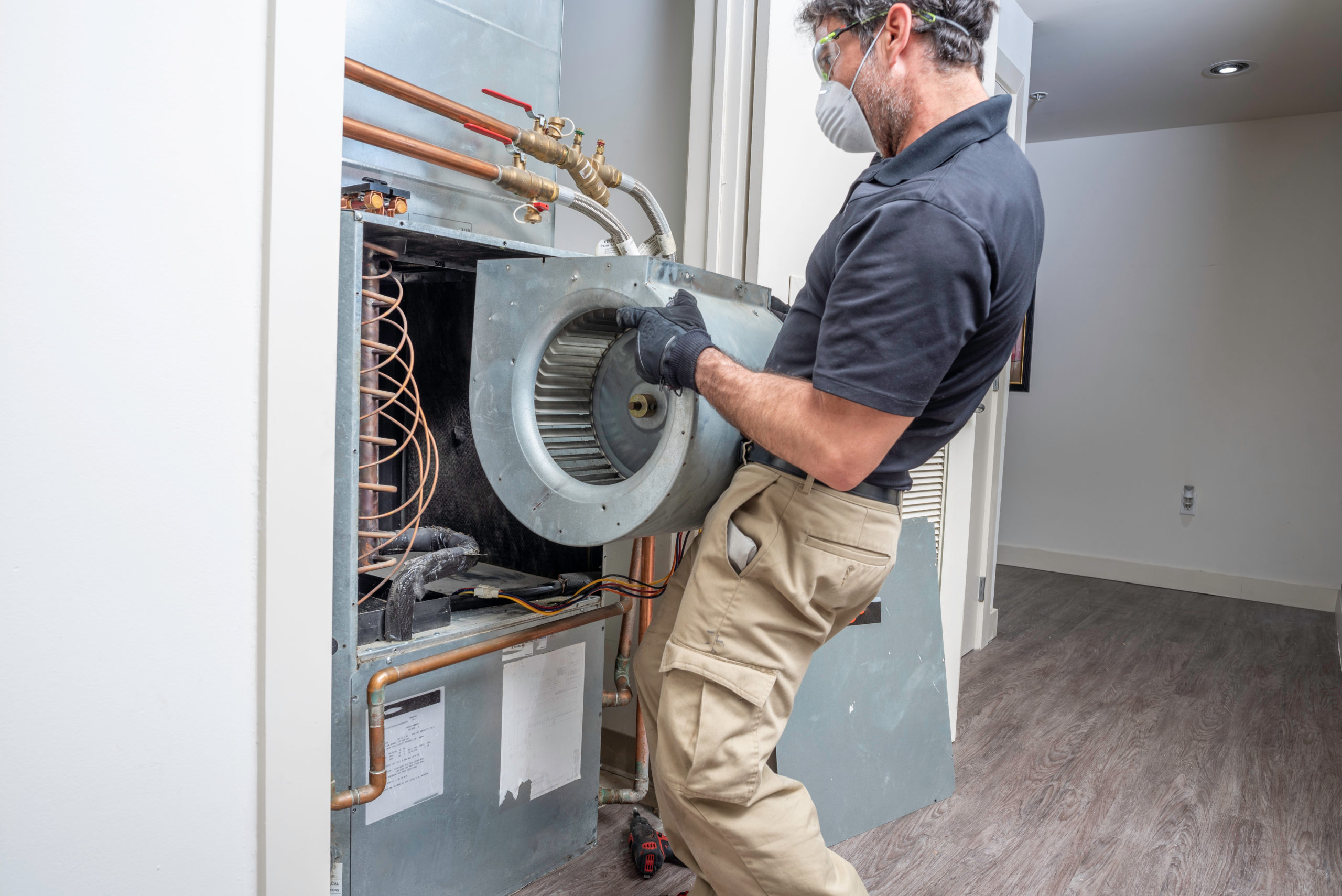
At the heart of the majority of domestic and light industrial a/c setups, you'll find numerous essential players. Do you actually know what every one does? Let's break down the essential cast:
- Heating system: The heating powerhouse, typically sustained by natural gas, propane, or electrical power. It warms the air that then circulates throughout your space.
- A/c unit: The cooling champ, eliminating heat and humidity from indoor air through a refrigerant cycle.
- Ductwork: The circulatory system of your HVAC, a network of channels that distributes conditioned air to numerous rooms and returns stale air for reconditioning. Without appropriately sized and sealed ducts, even the most efficient system can fail.
- Thermostat: The brain of the operation, permitting you to set and preserve preferred temperature levels. Modern thermostats can extraordinary accomplishments, from Wi-Fi connection to learning your preferences.
Beyond the Fundamentals: Integrated Systems
While the furnace and a/c are frequently unique systems, they often share typical elements, forming an integrated system. The exact same blower fan within the heater often propels air for both heating and cooling. This seamless combination is what makes a contemporary HVAC system so efficient and easy to use. Think about the traditional circumstance: a sweltering summertime day offers method to a surprisingly chilly night. Your system, if appropriately designed, transitions easily from cooling to heating, ensuring constant comfort without you lifting a finger. It's truly a marvel of modern comfort innovation.
Improving Air Quality: More Than Simply Temperature
Beyond simply heating up and cooling, modern a/c solutions typically integrate elements aimed at improving indoor air quality. Are you familiar with the undetectable threats hiding in your air? From allergens to pollutants, an excellent system actively fights them. This can include advanced filtering systems, humidifiers to add moisture in dry climates, or dehumidifiers to extract excess humidity. Some systems even incorporate UV lights to kill airborne pathogens. It's about creating a holistic environment, not simply a comfortable temperature level. What good is comfort if the air you breathe is substandard?
Heating & Cooling Concepts: The Unseen Ballet of Comfort
Ever wonder why one room feels like a sauna while the next is an icebox, regardless of your thermostat's impassioned prayers? The answer often lies in a nuanced understanding of heating and cooling concepts, a subtle dance of energy transfer that dictates our indoor comfort. It's not practically cranking up the a/c or stiring the heater; it has to do with handling the circulation of heat, that consistent tourist constantly seeking balance. Consider it like water flowing downhill-- heat always moves from warmer locations to cooler ones. This basic reality underpins every element of effective HVAC system operation, yet it's regularly neglected, resulting in relentless pain and, frankly, squandered energy.
The Elusive Even Temperature Level
The most typical aggravation house owners voice centers on irregular temperature levels. You change the thermostat, wishing for a blanket of convenience, just to discover one room sweltering while another shivers. Why does this take place? Often, it's a symptom of poorly sized or badly balanced ductwork. Picture a garden tube trying to water a whole yard; some locations get drenched, others stay dry. Likewise, if your ductwork isn't developed to deliver the ideal volume of conditioned air to each space, cold and hot spots become an inevitable reality. A typical error is assuming that simply including more vents will fix the issue. In reality, it can worsen it by interfering with the fragile balance of atmospheric pressure within the system. An a/c specialist worth their salt will perform a Manual J load computation, a comprehensive analysis that determines the exact heating and cooling needs of each space, taking into consideration aspects like window size, insulation, and even the variety of residents. Without this fundamental action, you're basically flying blind.
Techniques of the Trade for Ideal Performance
- Zoning Systems: For supreme control and performance, consider a zoning system. This allows you to divide your home into distinct temperature zones, each with its own thermostat. No more heating or cooling empty rooms! It's like having several mini-HVAC systems tailored to your lifestyle.
- Duct Sealing: Leaking ducts are infamous energy thieves. A significant portion of conditioned air can escape through unsealed seams and holes before it even reaches your living space. Expert duct sealing with mastic or specific tape (not simply common duct tape, which stops working rapidly) can drastically enhance efficiency and eliminate copyright drafts.
- Insulation's Role: Your home's insulation functions as the bouncer for heat, preventing it from crashing the party in summer season and escaping in winter season. Is your attic effectively insulated? Are your walls simple screens for thermal energy? A basic assessment can reveal substantial opportunities for improvement.
- Fan Settings Matter: Lots of homeowners simply set their fan to "auto." While typically great, think about running your fan continually on a low setting, specifically in shoulder seasons. This helps distribute air, lowering temperature level stratification and making your home feel more consistently comfy, even if the main heating or cooling isn't actively running.
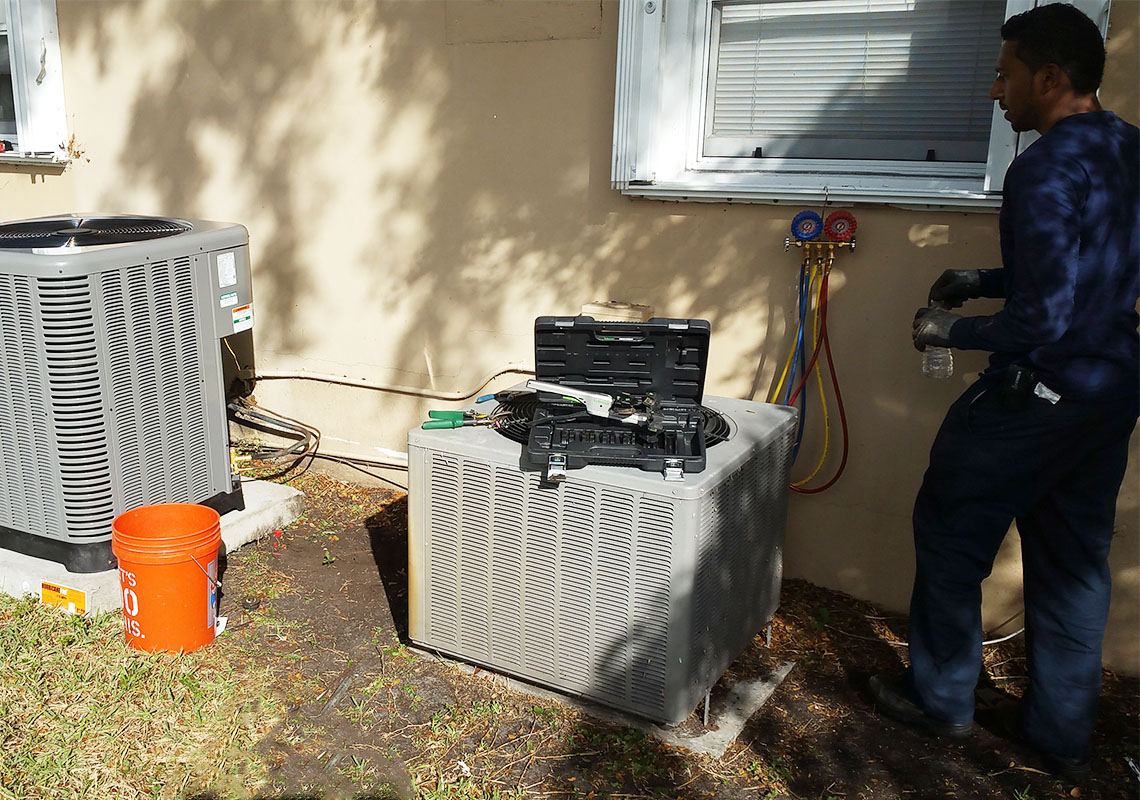
Understanding these basic heating and cooling principles empowers you to make informed choices about your home's comfort and energy intake. It's not just about fixing a broken unit; it has to do with managing a symphony of heat and coolness, making sure every note is played perfect.
The Breath of Life: Ventilation and Air Quality
Ever strolled into a room and felt that immediate stuffiness, that sense of recycled air holding on to your lungs? It's a typical experience, a subtle yet consistent pain that typically goes unaddressed. Many property owners, concentrated on heating and cooling, overlook the crucial function of ventilation in their a/c system. It's not almost temperature level; it has to do with the extremely air we breathe. Think about your home as a living organism; without proper airflow, it suffocates, trapping contaminants, irritants, and even stale smells. This oversight can lead to a host of indoor air quality problems, a silent attacker deteriorating comfort and possibly impacting wellness.
One of the most considerable difficulties homeowners deal with in preserving superior indoor air quality centers on the accumulation of tiny air-borne particles. These undetectable intruders, varying from dust mites and pet dander to mold spores and unstable natural substances (VOCs) off-gassing from furniture, distribute constantly without adequate air exchange. Envision trying to clean up a dirty space by simply moving the dust around; that belongs to recirculating stagnant air without presenting fresh, filtered air. This continuous re-exposure can intensify respiratory conditions, trigger allergies, and typically decrease the sensation of a tidy, healthy living area. What can be done to really clear the air?
Beyond the Basic Filter: Advanced Air Purification
While standard heating system filters capture bigger particles, they often fall short when it pertains to the truly minute contaminants. This is where the critical homeowner considers updating their a/c system's air filtration. Have you considered a MERV 13 or greater filter? These pleated powerhouses can trap a considerably greater portion of airborne particles, including germs and even some viruses. But the journey to beautiful air doesn't end there. For a truly detailed method, UV germicidal lights incorporated into your ductwork provide an additional layer of defense, reducing the effects of airborne pathogens as they travel through. It's like having a microscopic bouncer for your air, ensuring just the cleanest molecules make it into your living area. And for those with consistent smell concerns or chemical level of sensitivities, a whole-house activated carbon filter can be a game-changer, taking in gaseous contaminants that even the finest particulate filters miss out on. It has to do with proactive defense, not reactive relief.
- copyrightine and replace air filters quarterly, or more often if you have animals or allergic reactions.
- Consider a whole-house humidifier or dehumidifier to manage indoor humidity levels, which can impact mold development.
- Ensure proper sealing of ductwork to prevent unfiltered air from getting in the system.
- Make use of exhaust fans in bathroom and kitchens to eliminate moisture and cooking odors at their source.
Did you know that just opening windows for a couple of minutes every day, even in winter season, can dramatically enhance indoor air quality by diluting pollutants? It's a basic, cost-efficient technique that many overlook. Strategically positioned indoor plants, such as spider plants or peace lilies, can act as natural air cleansers, absorbing particular toxins from the air. While they won't replace a robust ventilation system, they offer a charming, green complement to your indoor air strategy. The goal is to develop an environment where the air is not simply comfortable in temperature level, however truly stimulating to breathe.
Setup and Upkeep: The Unsung Heroes of A/c Longevity
Ever wonder why some HVAC systems purr like contented kitties for years while others sputter and cough their dying breath far prematurely? The secret, dear reader, often lies not in the preliminary purchase, however in the meticulous dance of setup and the thorough rhythm of maintenance. It's a tale as old as time, or at least as old as air conditioning itself: a system, no matter how sophisticated, is just as good as its setup and subsequent care. An improperly installed unit can lead to a waterfall of problems, from ineffective operation that drains your wallet faster than a leaky faucet to premature element failure. Envision attempting to run a marathon with ill-fitting shoes; you may end up, however not without significant discomfort and potential injury. Your heating and cooling system faces comparable difficulties when not effectively integrated into your home's unique thermal envelope.
Think about the airflow. A typical oversight during installation, and one that causes unknown headaches, revolves around correct ductwork sizing and sealing. It resembles trying to consume a milkshake through a small, punctured straw-- you're putting in a great deal of effort for very little reward. Undersized ducts restrict air flow, forcing the blower motor to work harder, consuming more energy, and shortening its life-span. Dripping ducts, on the other hand, are like tossing cash out the window, actually, as conditioned air gets away into unconditioned areas. Did you understand that as much as 30% of a home's heating and cooling energy can be lost due to leaky ducts? It's an incredible figure, often overlooked, and quickly corrected with correct sealing strategies utilizing mastic or specialized metallic tape, not just the lightweight cloth-backed duct tape everybody wrongly calls "duct tape."
The Rites of Regular Maintenance
You've got a completely installed system. Now what? The journey doesn't end there; it merely begins a new chapter: maintenance. Think about your HVAC system as a high-performance lorry. Would you ever avoid oil modifications or tire rotations? Of course not, because you comprehend the long-term effects. Similarly, ignoring your HVAC system's annual tune-ups is a gamble you're not likely to win. These aren't just approximate appointments; they are vital preventative measures. A professional checks refrigerant levels (the here lifeblood of your system), cleans up coils (those unrecognized heroes of heat exchange), copyrightines electrical connections (avoiding possible fire threats), and oils moving parts. It's throughout these sees that little issues, easily rectified, are caught before they blossom into costly breakdowns. A dirty evaporator coil, for instance, can decrease efficiency by 5-10%, forcing your system to work more difficult to achieve the wanted temperature level. It's like trying to breathe through a clogged nose; everything becomes harder.
Here are a couple of professional insights to keep your system humming:
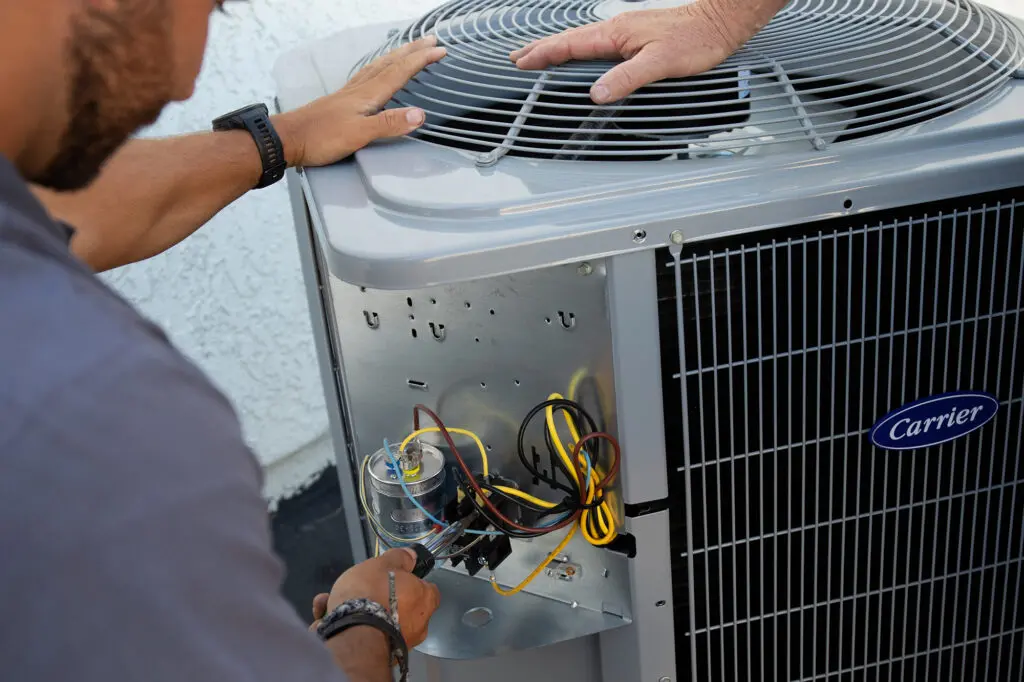
- Filter Finesse: Change your air filter every 1-3 months, particularly if you have family pets or allergic reactions. A clogged up filter is a major airflow obstacle, decreasing efficiency and putting stress on your system.
- Clear the Condensate Drain: Periodically put a cup of distilled vinegar down your condensate drain line. This prevents algae and mold development that can clog the line, resulting in water damage and system shutdown.
- Outside Unit TLC: Keep the location around your outdoor condenser unit clear of debris, leaves, and overgrown plant life. A foot or 2 of clearance on all sides guarantees proper airflow, which is important for efficient heat dissipation.
- Thermostat Wisdom: Consider upgrading to a programmable or smart thermostat. These devices can discover your practices and enhance temperature level settings, saving energy and extending the life of your system by minimizing unnecessary cycling.
Remember, a little proactive effort in installation and maintenance goes a long method in ensuring your a/c system offers consistent convenience and efficiency for many years to come. It's not just about comfort; it's about securing your investment and ensuring assurance.